The Night the Red Flashes Spoke: A Fire Alarm Strobe Siren's Critical Role
The old apartment building on Elm Street slept under a moonless sky. Within Unit 12, a forgotten phone charger, frayed and overheating, smoldered against a sofa cushion. The first tendrils of smoke were silent, odorless thieves, stealing oxygen and replacing it with lethal gas.
Sarah, a young graphic designer and a deep sleeper, didn’t stir. Nor did Mr. Jenkins in 14, who was profoundly deaf. The fire, now finding richer fuel, began to crackle and grow, its light dancing against the walls. Time was evaporating faster than the moisture in the air.
Then, a piercing, relentless shriek shattered the stillness. It was the fire alarm siren, its 85-decibel wail cutting through walls and sleep alike. In Unit 12, Sarah bolted upright, heart hammering against her ribs. The sound was disruptive, terrifying even, but it was a terror that spurred action. She smelled the smoke now, saw the haze under her door. The siren was a clear, unambiguous command: GET OUT.
As she stumbled into the hallway, another element of the alarm system took over. The corridor was thick with smoke, reducing visibility to inches. But cutting through the choking grey were powerful, rhythmic fire alarm strobe lights. Each blinding white flash painted a strobe-light snapshot of the escape route—the doorframe, the exit sign, the stairwell door. For Sarah and her disoriented neighbors, these flashes became a visual lifeline, a pulsating guide toward safety when their eyes could see little else.

But the true, profound synergy of the fire alarm strobe siren was revealed in Unit 14. The ear-splitting siren meant nothing to Mr. Jenkins. He slept on. However, as the central alarm panel detected the threat, it activated every connected device in the building. Suddenly, a searing white light began erupting in his bedroom. The fire alarm strobe, mounted on his wall as required by code, flashed with an intensity designed to penetrate closed eyelids. The room exploded in a stark, silent, staccato rhythm of light and dark.
Mr. Jenkins woke to a world blinking in urgent, violent white. He felt the panic in the vibrations through the floor, saw the emergency lights flashing his way to safety. The visual siren for his eyes had delivered the message the auditory one could not.
Firefighters arrived to find residents gathered at the safe muster point. Sarah was coughing, wrapped in a blanket. Mr. Jenkins stood nearby, speaking animatedly with a responder, pointing back at the building. The fire alarm strobe siren had done its job—a dual-channel broadcast of survival.
The investigation later confirmed the origin in Unit 12. The damage was contained to one apartment, but the outcome could have been tragically different. The alarm had sounded just early enough.
That night, the residents of Elm Street learned the full meaning of their safety devices. It wasn't just a "fire alarm." It was a siren for the ears that could startle the deepest sleeper, and a strobe for the eyes that could alert those in a world of silence. Together, as a fire alarm strobe siren, it was a system designed for universal human response. It wasn't just noise and light; it was a voice shouting in the dark, and a lighthouse flashing in a storm of smoke, ensuring that no matter how people experienced the world, they had a fighting chance to hear, to see, and to live.
Latest posts
-
 How a fire strobe siren alarm Device Saved My Family ?
Do you like ?0
Read more -
 Fire Strobe Siren: Dual-Alert Guardian in Standard Fire Alarm Panels
Do you like ?0
Read more -
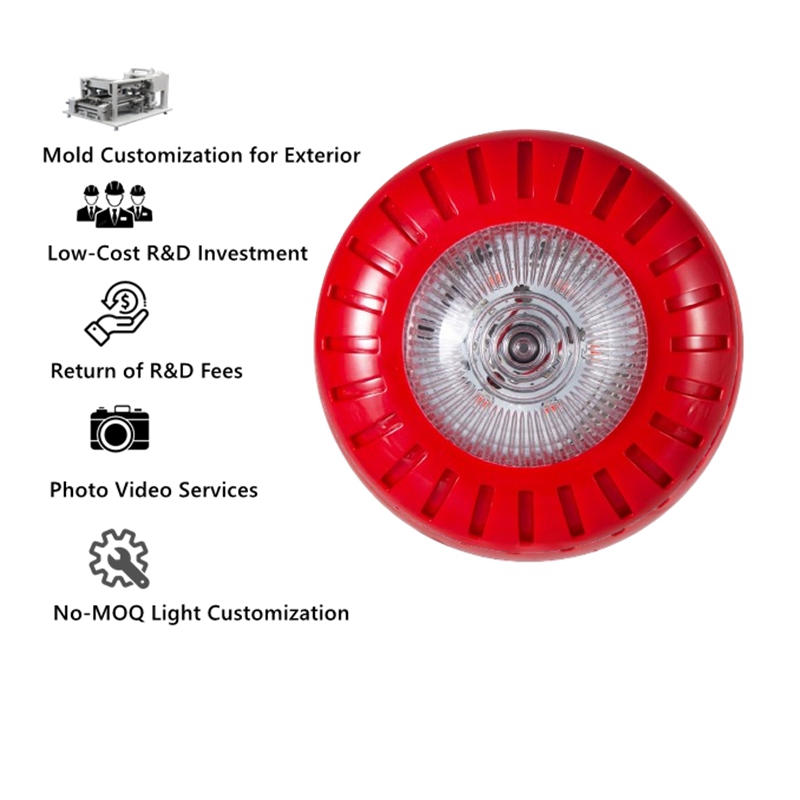 Fire Strobe Siren: What Is It and Why Is It Critical for Safety?
Do you like ?0
Read more -
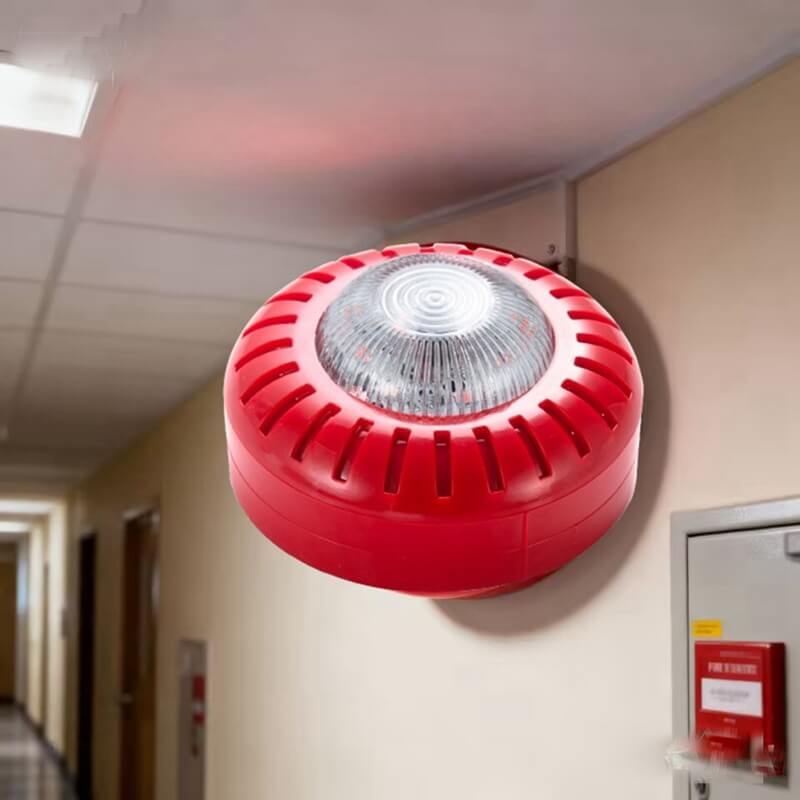 Beyond the Siren: How Sound and Light Fire Alarms Create a Safer Environment
Do you like ?0
Read more -
 The Ultimate Guide to Combination CO & Gas Detectors: Safety Made Simple
Do you like ?0
Read more -
 Carbon Monoxide Detector vs Smoke Alarm: Key Differences for Home Safety
Do you like ?0
Read more
Search
Hot Product