Understanding the Conventional Fire Alarm Control Panel: First Line of Defense
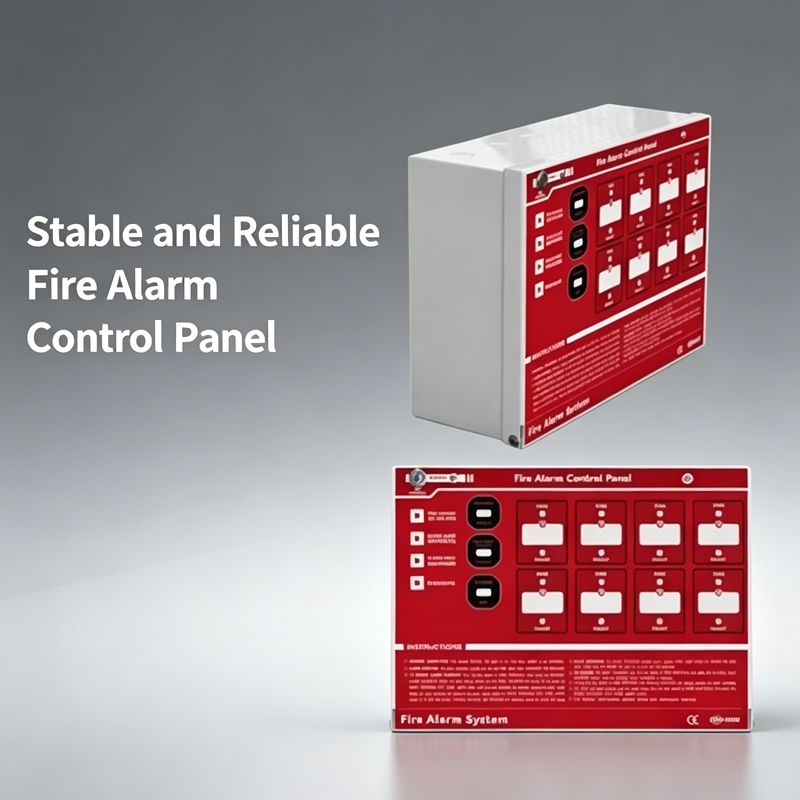
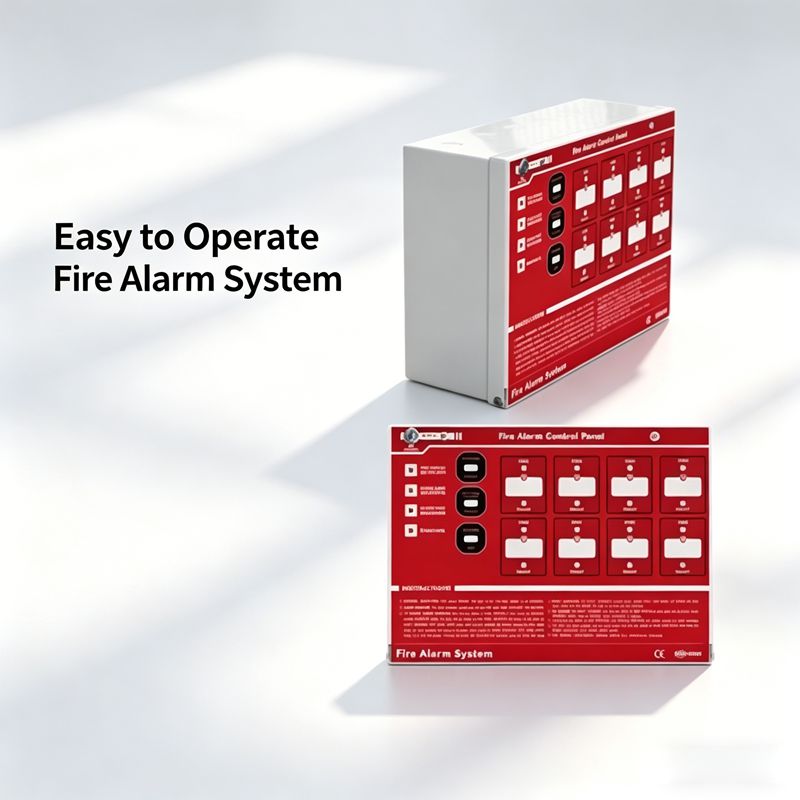
When we think about fire safety, we often picture red fire extinguishers on the wall or the loud sirens that echo during a drill. However, the true "brain" behind these life-saving devices is a piece of equipment that often goes unnoticed: the Conventional Fire Alarm Control Panel (FACP).
If you own a small business, a shop, or manage a smaller building, you have likely seen this device. It might look like a simple metal box with some blinking lights and buttons, but its role is absolutely critical.
What Exactly is a Conventional FACP?
In the simplest terms, a Conventional Fire Alarm Control Panel is the central command station for a building's fire safety system. Its job is to constantly monitor the health of your fire detectors and sound the alarm when danger is detected.
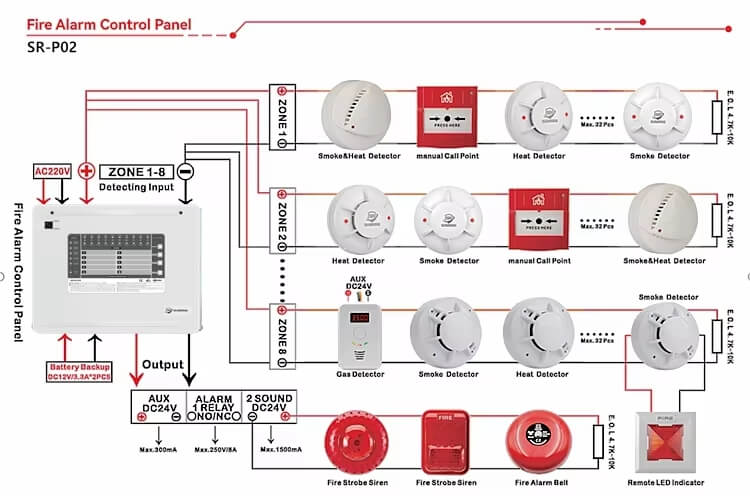
Unlike highly complex systems used in skyscrapers that can pinpoint the exact room of a fire, a conventional system works on a "Zone" basis. Imagine your building is divided into specific areas, like "Zone 1: Lobby," "Zone 2: Kitchen," and "Zone 3: Offices."
The panel connects to smoke and heat detectors through specific circuits. When a detector is triggered, the panel doesn't tell you exactly which device went off, but it lights up the specific Zone on the display. This tells you exactly which area to check, making it a highly effective and cost-efficient solution for small to medium-sized properties.
A Real-Life Example: The Midnight Warehouse Alarm
To understand the true power of a Conventional FACP, let’s look at a real-life scenario that highlights its importance.
Imagine a clothing warehouse late at night. The building is empty, and silence fills the aisles. Suddenly, an old electrical fan in a corner on the third floor overheats and starts to smolder.
- Detection: As the smoke begins to rise, it drifts into a smoke detector connected to "Zone 3" of the conventional fire alarm system.
- Signal: The detector immediately sends an electrical signal through the wiring back to the main Conventional FACP located in the security room on the ground floor.
- Alert: Within seconds, the quiet security room is filled with a loud beeping sound. The panel’s screen lights up, clearly displaying "FIRE ALARM - ZONE 3".
- Action: The security guard doesn't have to search the entire 8,000-square-meter warehouse. Because of the panel, he knows exactly where to look. He alerts the fire department immediately and heads toward Zone 3.
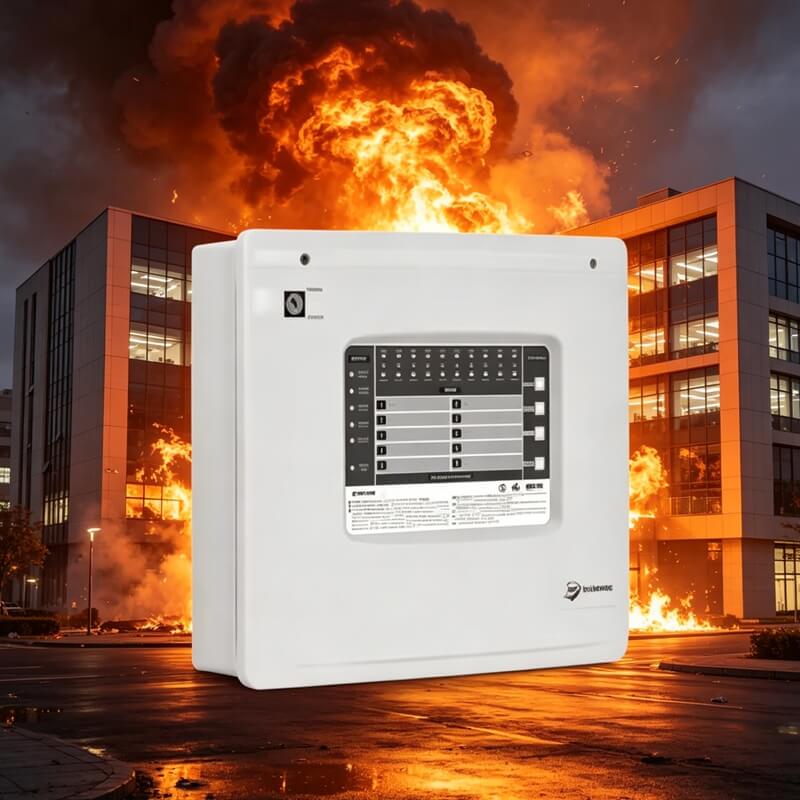
Thanks to this quick reaction, the fire is discovered while it is still small. By the time the firefighters arrive, the building's automatic sprinkler system (triggered by the heat) has already suppressed the flames. A potential disaster that could have destroyed the whole building was stopped in minutes, all because the Conventional Fire Alarm Control Panel did its job perfectly.
Why Fire Safety Demands Your Attention
This story serves as a powerful reminder: fire safety is not something to be taken lightly. A Conventional FACP is a reliable guardian, but it requires our respect and attention to work effectively.
Fire can spread with terrifying speed. The few minutes saved by having a functional, well-monitored alarm system are often the difference between a minor incident and a total loss—or even worse, a tragedy involving human lives.
Here is what you can do today:
- Know your system: If you have a Conventional FACP in your building, make sure you or your staff know where it is and what the "Zone" lights mean.
- Regular checks: Ensure the panel is powered on and free of "Trouble" or "Fault" lights. If a light is blinking, get it checked immediately.
- Clear the path: Never block smoke detectors or manual call points with boxes or decorations.
Technology like the Conventional Fire Alarm Control Panel gives us a fighting chance against fire, but it is our vigilance that truly keeps our homes, businesses, and loved ones safe. Stay alert, stay prepared, and never underestimate the power of a good fire safety system.
Latest posts
-
 Are Conventional Fire Alarm Control Panels Suitable for Home Use?
Do you like ?0
Read more -
 The Heartbeat of Safety: Why Every Building Needs a Reliable Fire Alarm Control
Do you like ?0
Read more -
 The Critical Importance of Fire Alarm Control Panels: A Lesson from Fire Tragedy
Do you like ?0
Read more -
 A Small Kitchen Fire: How the SR-P03 Fire Alarm Control Panel Stopped Disaster
Do you like ?0
Read more -
 What Are the Two Types of Fire Alarm Control Panels?
Do you like ?0
Read more -
 How to Check Your Fire Alarm Control Panel ?
Do you like ?0
Read more
Search
Hot Product