Carbon Monoxide Detectors: Why They’re Non-Negotiable for Home Safety
When it comes to household hazards, few are as stealthy or deadly as carbon monoxide (CO). This colorless, odorless gas can seep into your home from faulty heaters, gas stoves, or even running cars in attached garages—often with no warning signs. That’s where a carbon monoxide detector becomes your first line of defense. Below, real-life examples show how these simple devices turn potential disasters into close calls, proving their critical role in keeping families safe.
⚠️ Example 1: The Faulty Furnace That Turned Deadly Overnight
In a 2023 incident in Ohio, a family of four woke up to their carbon monoxide detector blaring at 3 a.m. Initially groggy and confused, they quickly realized the alarm wasn’t a false alert: their 20-year-old gas furnace had developed a crack, leaking high levels of CO into their home while they slept.
Emergency responders later confirmed the CO levels were high enough to cause permanent brain damage or death within hours. Thanks to the detector’s early warning, the family evacuated immediately and avoided a tragedy. "We never thought something like this could happen to us," the homeowner told local media. "That detector saved our lives."
This case highlights a key truth: carbon monoxide detectors don’t just detect gas—they buy you precious time to escape before symptoms like headaches, dizziness, or nausea (the first signs of CO poisoning) escalate into something irreversible.
???? Example 2: The Backed-Up Water Heater That Threatened a Senior’s Life
Elderly homeowners are particularly vulnerable to CO risks, as they may spend more time indoors and have reduced sensitivity to early poisoning symptoms. In 2024, an 82-year-old woman in Portland, Oregon, was rescued after her carbon monoxide detector alerted a neighbor to a problem.
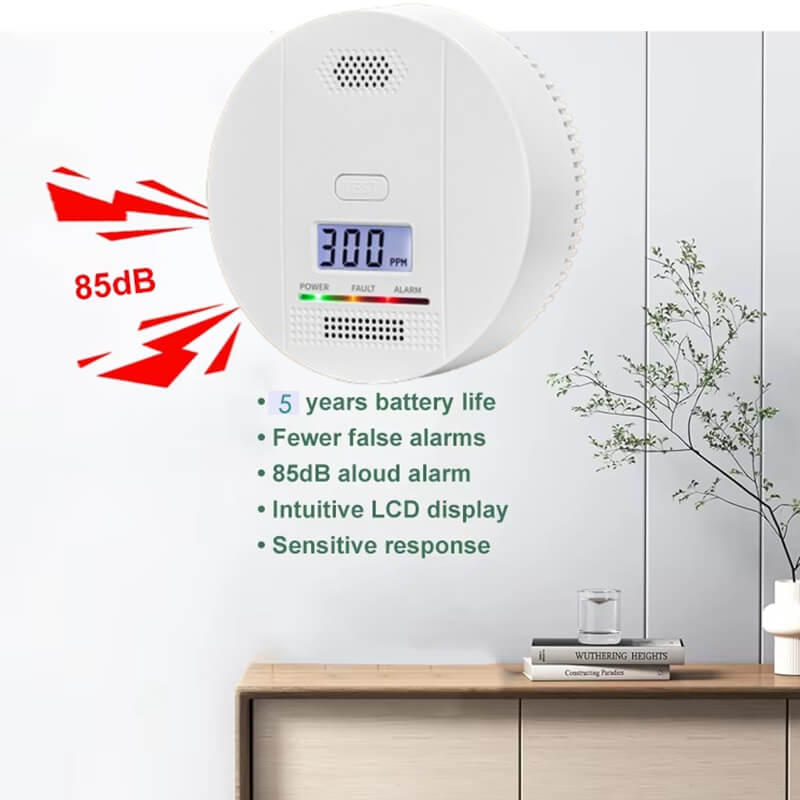
Her gas water heater had been improperly installed, leading to incomplete combustion and CO buildup. By the time the neighbor heard the alarm, the woman was already experiencing confusion and fatigue—classic signs of CO exposure. Firefighters found CO levels at 300 ppm (parts per million), a concentration that can be fatal after just two hours of exposure.
Without the detector, the woman might not have been able to call for help on her own. This example underscores why carbon monoxide detectors are essential for homes with elderly residents, who may not recognize the subtle signs of poisoning until it’s too late.

???? Example 3: The Attached Garage That Became a Hidden Danger
Many people don’t realize that running a car in an attached garage—even with the door open—can release dangerous levels of CO into the home. In 2022, a Texas family learned this lesson the hard way when their teenager warmed up their car in the garage before school.
The garage door was partially open, but wind direction caused CO to drift into the house through a small gap around the door frame. Within 10 minutes, the family’s carbon monoxide detector started beeping. They evacuated the house and called 911, and tests showed CO levels inside the home had reached 150 ppm—enough to cause loss of consciousness with prolonged exposure.
This case shows that CO risks aren’t limited to faulty appliances. Everyday habits can put families in danger, making carbon monoxide detectors a necessary safeguard against accidental exposure.
????️ How to Maximize Your Carbon Monoxide Detector’s Effectiveness
Now that you’ve seen the life-saving impact of carbon monoxide detectors, here’s how to ensure your home is fully protected:
- Install detectors in key areas: Place them near bedrooms, on every level of your home, and within 10 feet of fuel-burning appliances like furnaces, water heaters, and fireplaces.
- Test regularly: Push the test button monthly to confirm the alarm is working, and replace batteries at least twice a year (set a reminder with daylight saving time changes).
- Replace old detectors: Most models have a lifespan of 5-7 years. Check the manufacturer’s date and replace them when they expire.
- Pair with smoke alarms: For complete home safety, combine carbon monoxide detectors with smoke alarms to protect against both gas and fire hazards.
???? Key Takeaway: Carbon Monoxide Detectors Are Non-Negotiable
The examples above aren’t isolated incidents—they’re reminders that CO risks are real, common, and often invisible. A carbon monoxide detector isn’t just a "nice-to-have" gadget; it’s a critical investment in your family’s safety. With costs starting at just $20, these devices offer round-the-clock protection against a silent killer that could otherwise go unnoticed until it’s too late.
Don’t wait for a close call to take action. Install a carbon monoxide detector today, and rest easy knowing you’ve taken a simple but powerful step to protect your home and loved ones.
Latest posts
-
 The Night a Carbon Monoxide Detector Saved the Carter Family’s Lives
Do you like ?0
Read more -
 The Beep That Saved Us: Why a Carbon Monoxide Detector Is Non-Negotiable
Do you like ?0
Read more -
 Why Is My Carbon Monoxide Detector Beeping or Chirping?
Do you like ?0
Read more -
 Smoke Detector or Carbon Monoxide Detector: Which is Better for Fire Safety?
Do you like ?0
Read more -
 Carbon Monoxide Detector vs Smoke Alarm: Key Differences for Home Safety
Do you like ?0
Read more -
 What Triggers a Carbon Monoxide Detector?
Do you like ?0
Read more
Search
Hot Product