The Silent Killer vs. The Watchful Guardian: Why a CO Detector is Your Home's Most Important Investment
In the quiet of your home, a silent killer may be lurking. Carbon monoxide (CO), a colorless, odorless, and tasteless gas, is a byproduct of incomplete combustion from fuel-burning appliances like furnaces, stoves, and fireplaces. Unlike a fire, which announces itself with smoke and flames, CO poisoning is insidious, often robbing victims of their ability to react before it's too late. This is why a CO detector is not just another gadget; it is the single most critical investment you can make for your family's safety.
The Silent Threat: A Danger You Can't Sense
Imagine a scenario where your heating system develops a small crack in the heat exchanger. You wouldn't see it, smell it, or hear it. Yet, this invisible breach could be leaking deadly CO into your living room as you sleep. Traditional methods of detection—relying on human senses—are utterly useless against this enemy. By the time symptoms like headache or dizziness appear, you may already be too impaired to save yourself. This is the terrifying reality of a world without a CO detector.
The Watchful Guardian: Unblinking Protection
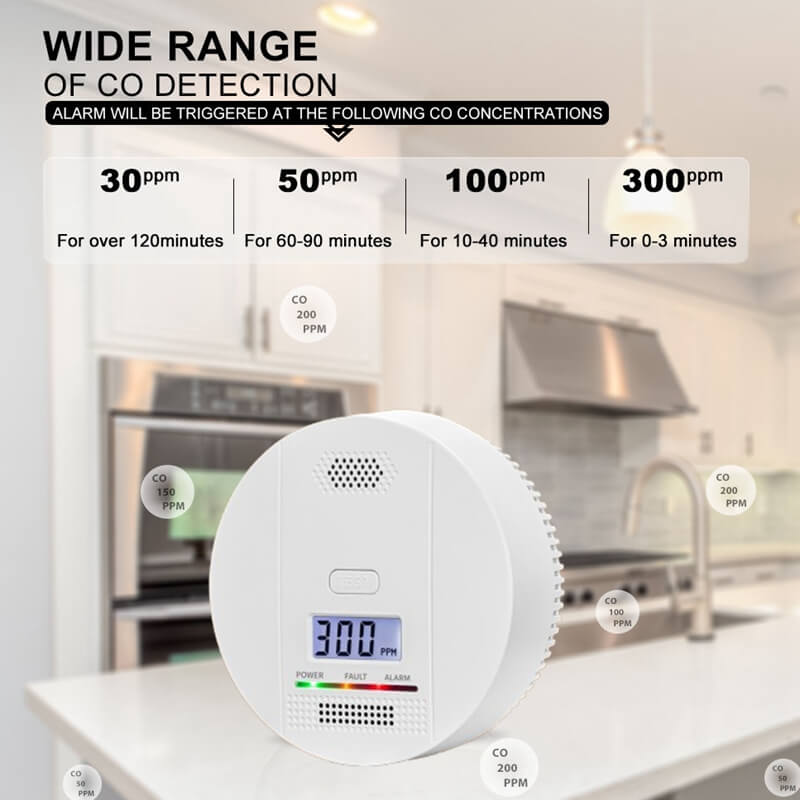
Contrast this with the peace of mind offered by a modern CO detector. These devices are the vigilant sentinels of your home, constantly sampling the air for the presence of this toxic gas. When a high-quality CO detector is installed, it transforms the equation from one of vulnerability to one of control. It doesn't matter if the leak happens at 3:00 PM or 3:00 AM; the CO detector is always on duty.
Key Features of a Reliable CO Detector
To ensure your guardian is up to the task, look for specific features that define a professional-grade device:
* Long-Lasting Sensors: Opt for models with solid-state electrolyte sensors. Unlike traditional liquid-electrolyte sensors that can dry out or leak, these offer a lifespan of over 10 years, providing "install and forget" reliability.
* Robust Certification: Ensure the CO detector carries the UL 2034 certification (or the relevant standard for your region, such as EN 50291). This certification is your guarantee that the device meets rigorous safety and performance benchmarks.
* Environmental Resilience: A good CO detector should operate reliably in a wide range of temperatures and humidity levels, resisting interference from common household substances like alcohol or cleaning agents.
The Stark Choice: Risk vs. Security
Choosing not to have a CO detector is a gamble with the highest stakes. It is a choice to rely on luck rather than technology. On the other hand, installing a CO detector is a decisive act of responsibility. It shifts the balance from fear of the unknown to confidence in your safety. In the battle against the silent killer, your CO detector is the only weapon that matters.
Latest posts
-
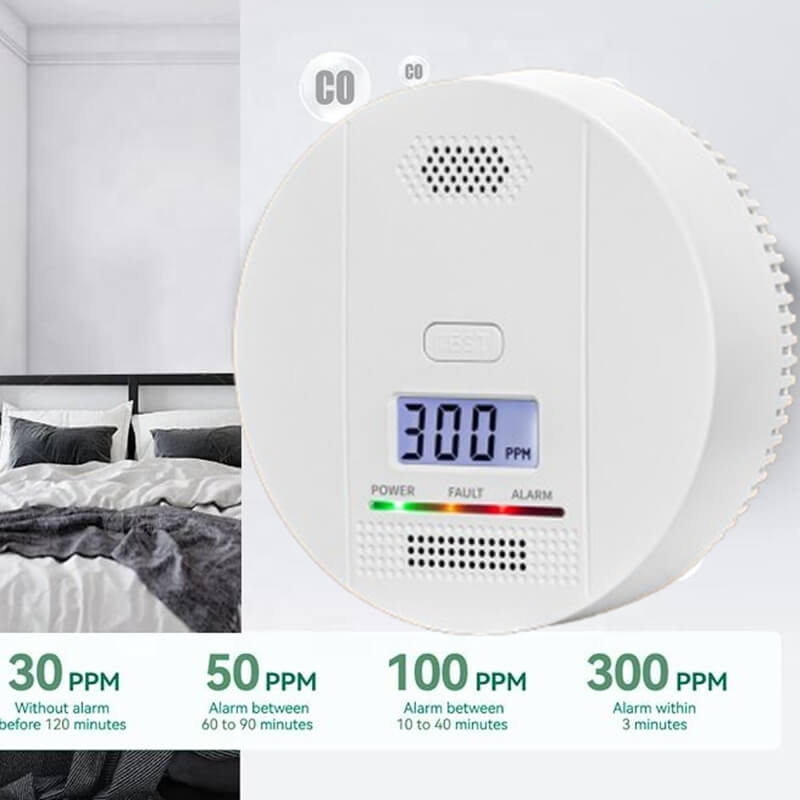 Carbon Monoxide Detectors: Why They’re Non-Negotiable for Home Safety
Do you like ?0
Read more -
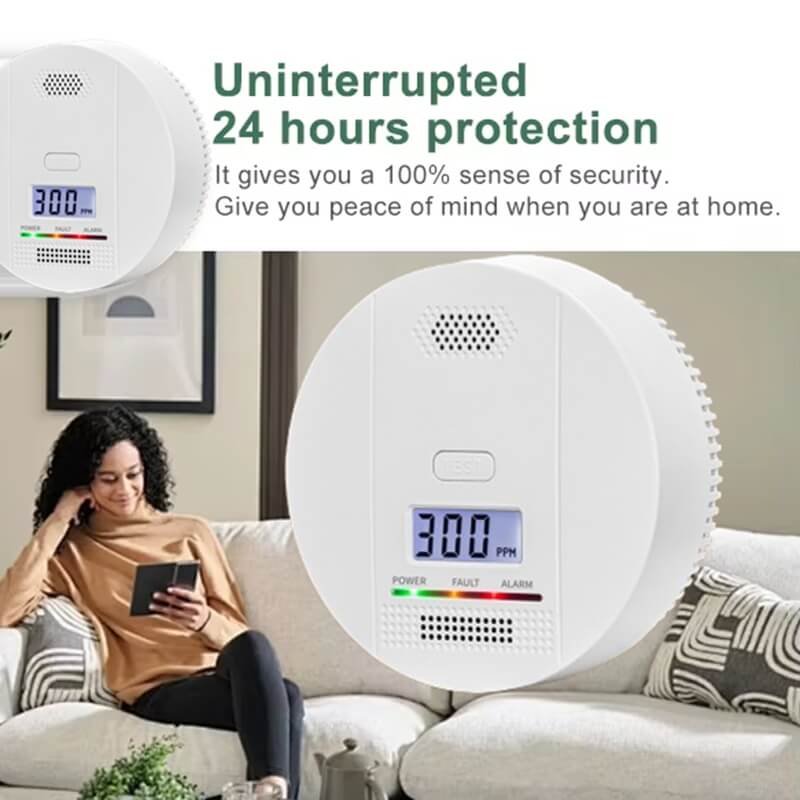 The Night a Carbon Monoxide Detector Saved the Carter Family’s Lives
Do you like ?0
Read more -
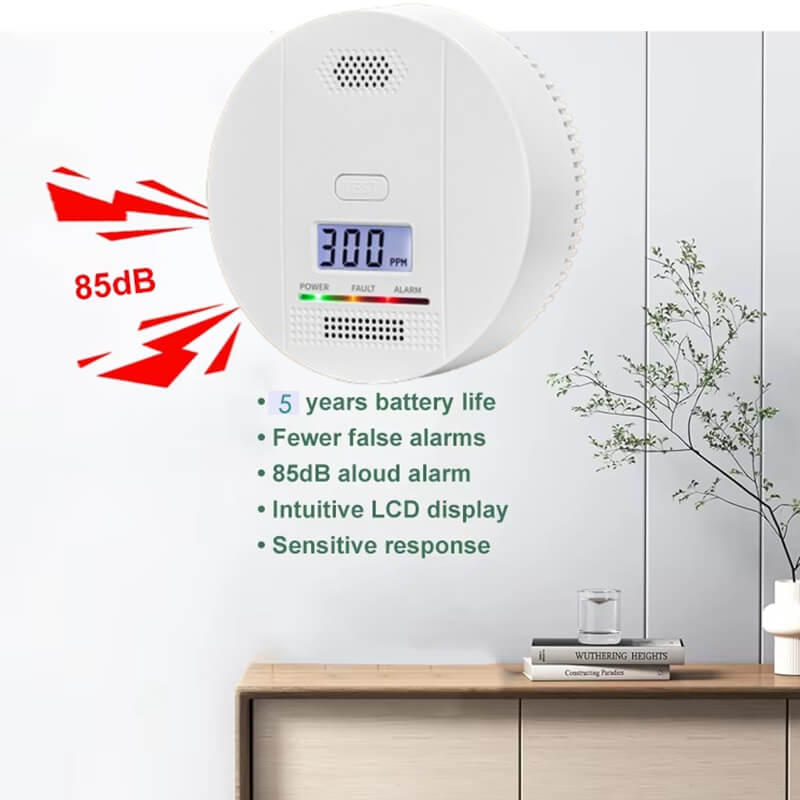 The Beep That Saved Us: Why a Carbon Monoxide Detector Is Non-Negotiable
Do you like ?0
Read more -
 Why Is My Carbon Monoxide Detector Beeping or Chirping?
Do you like ?0
Read more -
 Smoke Detector or Carbon Monoxide Detector: Which is Better for Fire Safety?
Do you like ?0
Read more -
 Carbon Monoxide Detector vs Smoke Alarm: Key Differences for Home Safety
Do you like ?0
Read more
Search
Hot Product