What is the detection principle? Photoelectric or ionization sensor?
If you have ever shopped for a home smoke alarm, you have likely run across two big sensor terms: photoelectric and ionization. Many regular homeowners glance over these labels. They just grab any cheap alarm off the shelf and think all smoke detectors work the same way. But nothing could be further from the truth.
You know what? The sensor type inside your smoke alarm decides how fast it reacts to different fires. It also shapes how often you get annoying false alarms from cooking steam or tiny flying insects. A wrong pick could mean your device sleeps through a slow‑smoldering house fire. That is a risk no family should take.
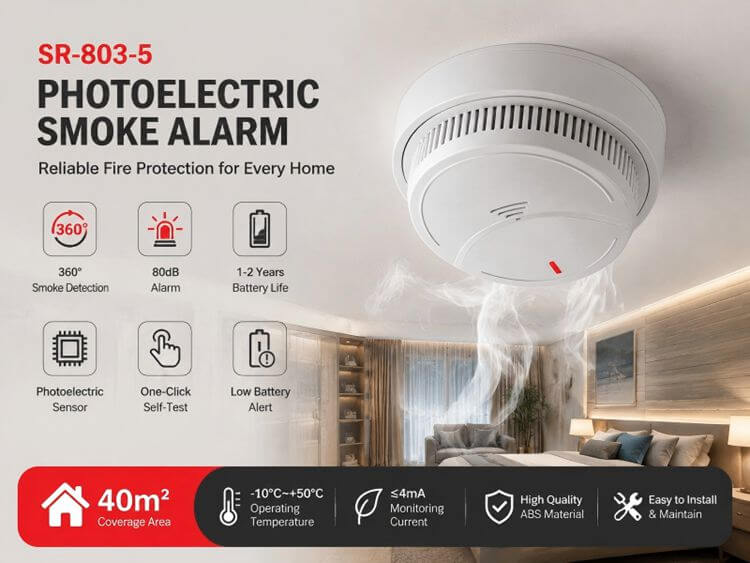
SUMRING, a Guangdong‑based fire‑safety hardware manufacturer with years of experience building household fire detectors, designs its SR‑803‑5 model around pure photoelectric sensing. Real‑world residential fire statistics feed into every product tweak their engineering team makes. We will use this practical hardware as our real‑life reference while unpacking how these two common sensor technologies actually function.
Let’s start simple: How does a photoelectric smoke sensor work?
Think of the photoelectric sensor like a tiny flashlight sitting inside a dark chamber. Inside the smoke alarm’s sealed sensing lab, an LED light beam shoots straight across empty space. A light sensor sits off to one side, out of this beam’s normal path.
When no smoke floats inside the chamber, light travels straight ahead. Zero light hits that side‑mounted receiver. The circuit stays quiet, and your alarm rests in standby mode.
Thick, visible smoke from smoldering material drifts into the detection chamber when a fire starts. Smoke particles scatter the LED light beam. Some of that bounced light lands onto the receiving sensor. Once enough light hits the sensor chip, the circuit triggers the full alarm sequence: loud 80dB sound, flashing status light, and urgent warning for everyone in the building.
This design shines for slow‑burn, smoldering fires. Picture a sofa cushion that smolders for hours before bursting into open flame; or old electrical wiring heating up and releasing thick grey smoke. These are the exact fire scenarios that cause most residential fire injuries.
The SUMRING SR‑803‑5 photoelectric smoke alarm adds one smart hardware twist many budget competitors skip: a fine mesh protective window over the sensing cavity. This mesh blocks mosquitoes, flies and household dust from drifting into the optical chamber. Insect bodies can scatter light just like smoke particles, which sets off needless false alarms. Anyone who has sprinted to wave a towel at a blaring smoke detector at 2 a.m. understands how frustrating those random triggers can be.
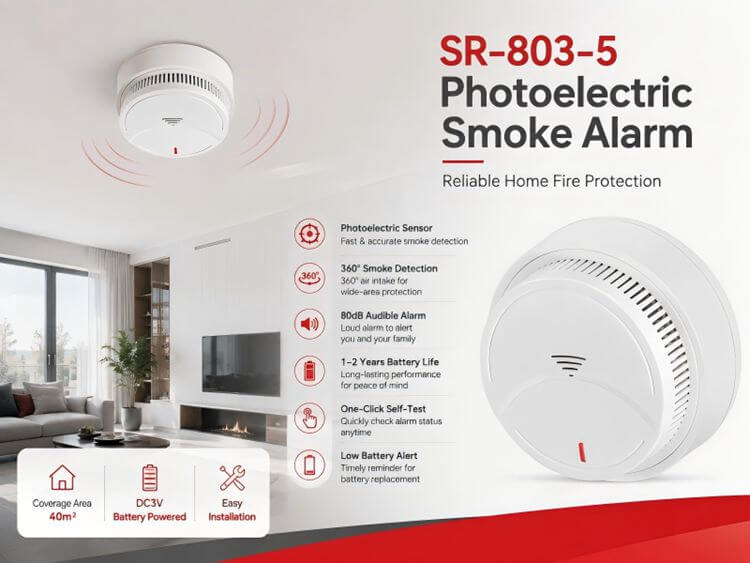
It offers 360‑degree air intake all around the round unit. Smoke can flow in from every direction once it mounts flat against your ceiling. Its rated protection area reaches up to 40 square meters for each single unit. Powered by standard DC3V alkaline batteries, it delivers 1‑2 years of working life before battery replacement becomes necessary.
And how does an ionization smoke sensor operate?
Ionization units take a completely different route to spot fire danger. They hold a tiny radioactive source inside two separate metal plates. This source ionizes air molecules between those plates, creating a small steady electric current across the gap.
Clean air lets that electrical current flow smoothly. When fast‑burning, flaming‑fire smoke drifts into the chamber, smoke particles attach themselves to ionized air molecules. This disrupts the steady flow of electricity. The circuit registers that drop in current and sounds the alarm.
Ionization sensors respond very quickly to bright, flaming blazes; think a waste‑paper basket bursting into sharp, hot flames. Yet they struggle heavily with thick, smoky, slow‑smolder events. In some documented home‑fire test cases, ionization alarms waited minutes longer to activate compared to photoelectric counterparts. Minutes feel short, but they make all the difference when toxic smoke fills living spaces.
Do you see the trade‑off here? Neither sensor covers every single fire type perfectly out of the box.
Real‑world house fire scenarios: which sensor wins where?
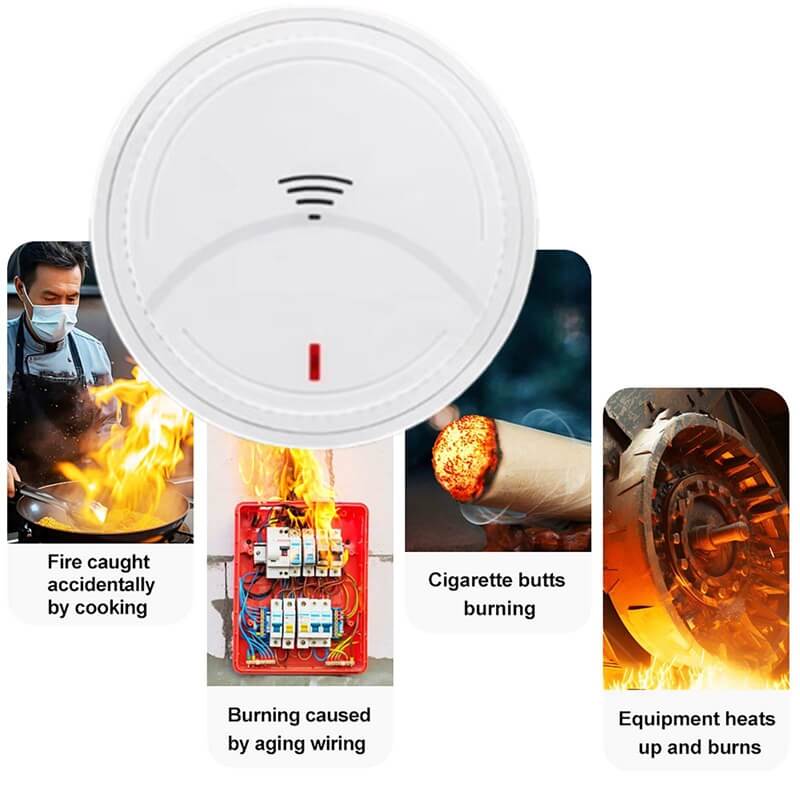
We can talk technical specs all day long. Real‑life home fire incidents paint the clearest picture. Remember those common fire triggers most households face: unattended cooking flames, aging household wiring, smoldering cigarette butts, and over‑heated home equipment.
Slow smolder fires start quietly. A forgotten cigarette lands on a couch cushion. It burns slowly, pumping out dense, choking smoke long before open flames break out. Smoke fills hallways and bedrooms. Toxic fumes put people unconscious before fire ever becomes visible. Photoelectric sensors pick up this heavy smoke early. Ionization sensors often stay silent until flames break out.
On the flip side: fast flaming fires ignite instantly. Paper, curtains or kitchen grease catch fire and burn bright within seconds. Ionization sensors react very rapidly to these thin hot smoke particles. Photoelectric units will still trigger, though with a small time lag.
Here is a fair point some safety hobbyists bring up: why not just buy one of each sensor type? That idea sounds solid on paper. But many renters, small‑home buyers and property managers work within tight budgets. Also, dual‑sensor combined units cost more, and not every region stocks them locally.
Many apartment buildings, rental homes and family houses rely on standalone battery‑powered alarms. That reality pushes most shoppers to pick one primary sensor technology.
False alarms: the hidden headache for smoke alarm owners
Have you ever burned toast and watched your smoke alarm scream at full volume? False alarms are not just annoying. They create a dangerous mental habit. When an alarm goes off for burnt food or bug intrusions too many times, people start to ignore it. Some homeowners even remove batteries entirely to stop the noise. That leaves the home completely unprotected when real fire danger arrives.
This is where hardware design matters. Ionization sensors can trigger from thin traces of cooking fumes. Photoelectric models handle kitchen‑area cooking smoke better, though they are not fully immune. Mesh insect‑proof covers, like the ones fitted on SUMRING SR‑803‑5, cut down triggers from flying bugs. Small insects can trip optical sensors if they crawl directly inside the light chamber.
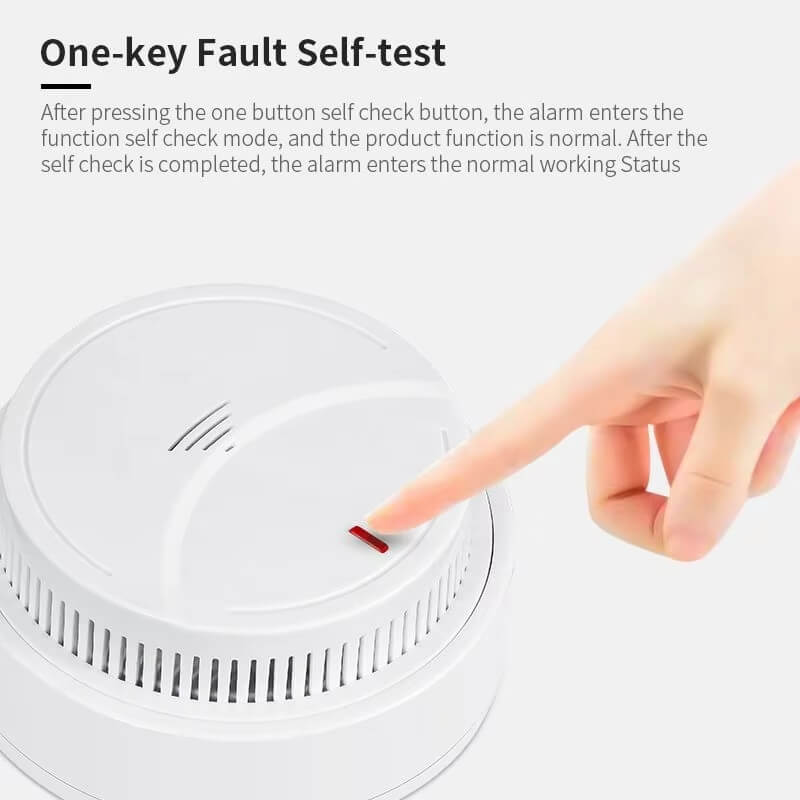
This photoelectric alarm also ships with a one‑click self‑test button. Home users can press the button to run a quick hardware check any time. No smoke needed. A low‑battery alert gives periodic beeps when battery power runs low, so residents know when to swap out DC3V batteries before the unit goes dead. Operating temperature spans ‑10℃ up to +50℃, so it works in cold garages as well as warm living rooms.
Common misconceptions people hold about smoke sensor tech
Let’s clear up a couple widely‑circled wrong ideas floating around home‑safety forums.
Myth number one: “All smoke alarms detect every fire equally well.” This could not hold less truth. Sensor physics create hard limits on what each device can catch fast. No single sensor gives perfect performance for every fire variant.
Myth number two: “Photoelectric alarms are complicated and hard for regular folks to maintain.” The opposite applies. Battery‑powered photoelectric units such as SR‑803‑5 install easily on ceiling surfaces. You only need to check the self‑test button now and then, and swap batteries every 1‑2 years. No fancy tools or special training required.
Myth number three: “Ionization alarms are obsolete across all use cases.” That statement goes too far. Ionization sensors still respond swiftly to fast flaming fires. They just carry clear weaknesses for smoldering fire events, which represent a large share of residential fire harm.
If you ask fire‑safety hardware engineers at SUMRING based in Guangdong, they note most domestic residential fire injuries trace back to smoldering‑origin blazes. That observation guides their choice to focus product lines on photoelectric sensor architecture for household‑targeted detectors.
Practical tips to choose and use your smoke sensor
So how do you apply all this knowledge to your own living space?
-
If you mostly want solid defense against couch, mattress, wiring‑related smolder fires: photoelectric alarms make sensible sense for bedrooms, hallways and living areas.
-
For kitchens: keep smoke alarms a reasonable distance from stovetops to cut cooking‑related false triggers. No sensor survives constant direct blast of cooking grease smoke.
-
Check your alarm once per month using its built‑in self‑test function. This simple step confirms speaker, sensor and circuit still work correctly.
-
Note battery life limits. SR‑803‑5 gives 1‑2‑year battery runtime, but extreme hot or cold environments can shorten battery lifespan. Set a calendar reminder for battery replacement.
-
Plan coverage area carefully. Each SUMRING SR‑803‑5 unit covers up to 40 square meters. Larger homes will need multiple units spread across different rooms and floors.
You might wonder: can I just place one single alarm in the middle of my whole house? That tactic leaves distant bedrooms and corners with weak smoke‑detection response. Smoke drifts, and distance slows its arrival.
Wrapping up: which principle fits your home?
Photoelectric sensors excel at catching slow, smoldering residential fires, the fire type that puts most home occupants at risk overnight. Ionization sensors react quickest to fast‑burn open‑flame fires, yet lag with smolder‑based smoke.
No sensor delivers magic, zero‑failure performance. Good fire safety comes from matching hardware to real‑world home risks. For regular family houses, rental apartments, and small‑size dwellings, photoelectric smoke alarms like SUMRING SR‑803‑5 deliver balanced, practical protection. Built‑in anti‑insect mesh, one‑click self‑test, low‑battery warning, and wide 360‑degree smoke intake solve many real‑world pain points homeowners run into.
At the end of the day, choosing the right smoke alarm is about peace of mind—knowing your home is protected when you’re asleep, at work, or away on vacation. If you’re ready to upgrade your fire safety gear, SUMRING’s SR‑803‑5 photoelectric smoke alarm is designed with real household risks in mind, blending reliability, ease of use, and practical features to keep your space safe. Whether you’re outfitting a single room or an entire home, SUMRING’s user-centric design and proven performance make fire safety simple and accessible—why wait to secure what matters most?
FAQ
Q1: Are photoelectric smoke alarms better than ionization for home bedrooms?
A1: Yes, for bedrooms. Most fatal overnight home fires start as slow‑smoldering blazes. Photoelectric sensors pick up thick smolder smoke much faster than ionization‑style sensors. Models like SUMRING SR‑803‑5 work well for ceiling installation outside sleeping areas.
Q2: What causes false alarms on photoelectric smoke detectors?
A2: Cooking steam, heavy dust buildup, and small flying insects can trigger false alerts. Units with fine mesh protection windows lower insect‑caused false triggers. Keep alarms away from direct stovetop fumes.
Q3: How long do batteries last inside photoelectric smoke alarms such as SR‑803‑5?
A3: Under regular indoor conditions, DC3V batteries offer 1‑2 years runtime. Very high or low ambient temperature can shorten battery service life. Batteries do not ship included with the hardware.
Q4: What fire type does an ionization sensor detect best?
A4: Ionization sensors react fastest to fast‑burning, open‑flame fires that produce thin hot smoke. They show slower response for thick‑smoke smoldering‑style home fires.
Q5: How many photoelectric smoke alarms do I need for my house?
A5: The SR‑803‑5 model covers up to 40 square meters per unit. Place at least one alarm on every floor; add extra units near bedrooms. Large rooms need multiple detectors for full‑range safety.
Choosing the right smoke alarm matters for real‑life home safety. Comparing sensor types can be confusing, but you do not need to compromise on reliability.
If you are sourcing battery‑powered standalone photoelectric smoke alarms for homes, rentals or resale, turn to SUMRING. Our SR‑803‑5 model tackles common real‑world issues including slow‑smoldering fires and insect‑caused false alarms.
We support samples, bulk orders and OEM customization for overseas buyers. Contact SUMRING today to get datasheets, test reports and competitive quotes for your project.
Latest posts
-
 How Do Fire Smoke Alarms Operate? Key Types, Advantages & Practical Usage Tips
Do you like ?0
Read more -
 How Do Fire Smoke Alarms Work? A Complete Guide to Types, Pros & Usage Tips
Do you like ?0
Read more -
 Fire Smoke Alarm: Guide to Installation & Maintenance for Home Fire Safety
Do you like ?0
Read more -
 Why You Need a Smoke and Carbon Monoxide Combo Detector in Your Home ?
Do you like ?0
Read more -
 Can an Independent Smoke Detector Work in Extreme Heat? A Safety Guide
Do you like ?0
Read more -
 What Happens If an Independent Smoke Detector Gets Wet? Safety Guide
Do you like ?0
Read more
Search
Hot Product