Spring 2026 Home CO Alarm Safety: Key Tips for Protection
As spring arrives in 2026, many homeowners focus on yard work and home renovations, but one critical safety task should not be overlooked - ensuring your carbon monoxide (CO) alarm system is in top condition.
???? Alarm Selection
Choose CO alarms with electrochemical sensors for accurate, long-lasting detection. Look for models with:
- Battery backup for power outage protection
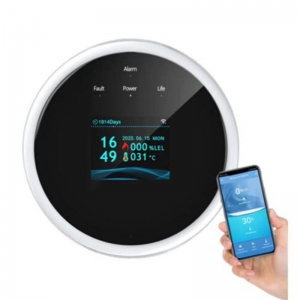
- Smartphone connectivity for remote alerts
- Certifications like UL or CSA for safety compliance
????️ Proper Placement
Install CO alarms on every level of your home, including:
- Near all sleeping areas
- 15-20 feet from fuel-burning appliances
- At eye level or ceiling height (CO is slightly lighter than air)
Avoid placing alarms in kitchens, bathrooms, or garages where humidity or other gases could interfere with operation.
???? Spring Maintenance Checklist
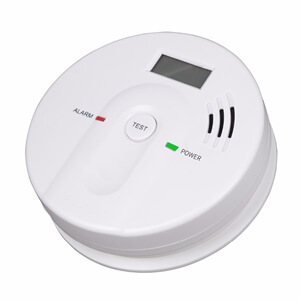
- Test monthly: Press the test button to ensure CO alarms are functioning properly
- Replace batteries: Install fresh batteries at least once a year
- Clean sensors: Gently vacuum vents to remove dust and debris
- Replace old alarms: Replace any CO alarm over 5-7 years old, as sensor effectiveness diminishes over time
???? Responding to CO Alarms
If an alarm sounds:
- Evacuate immediately to fresh air
- Call emergency services right away
- Do not re-enter until the home has been inspected and cleared by professionals
Latest posts
-
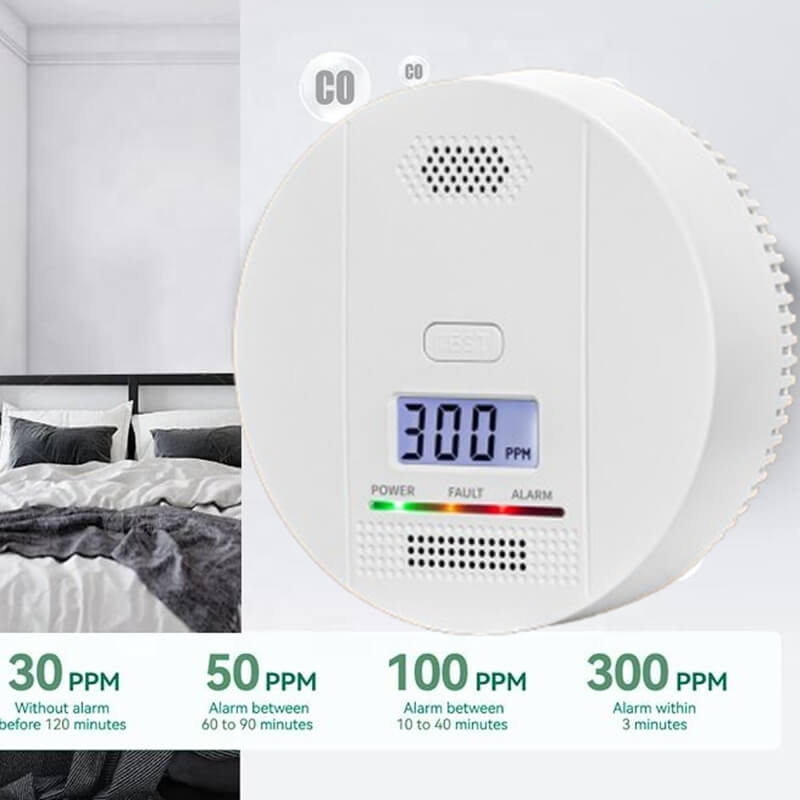 Carbon Monoxide Detectors: Why They’re Non-Negotiable for Home Safety
Do you like ?0
Read more -
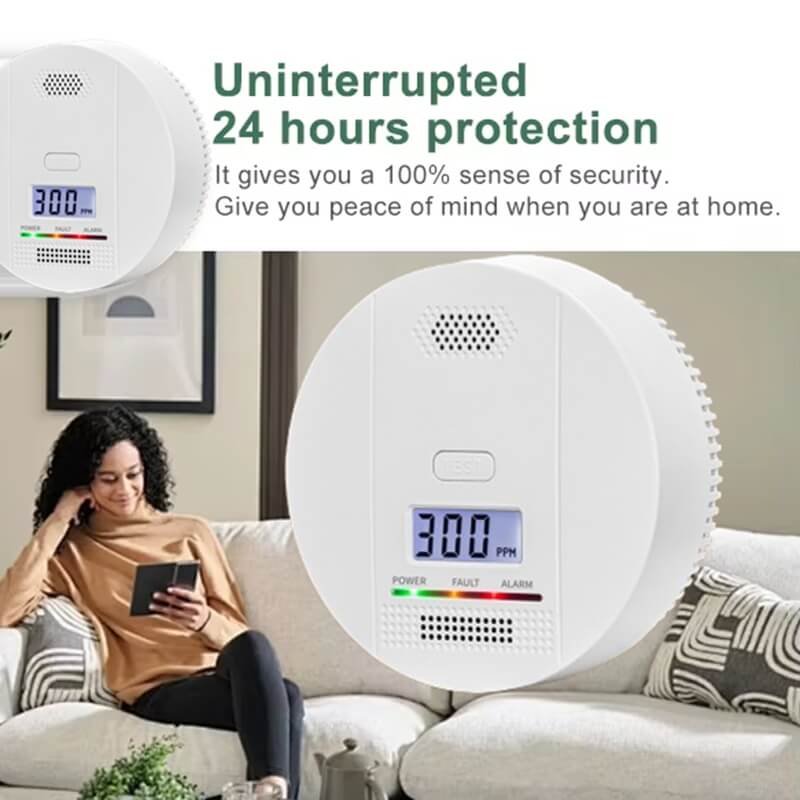 The Night a Carbon Monoxide Detector Saved the Carter Family’s Lives
Do you like ?0
Read more -
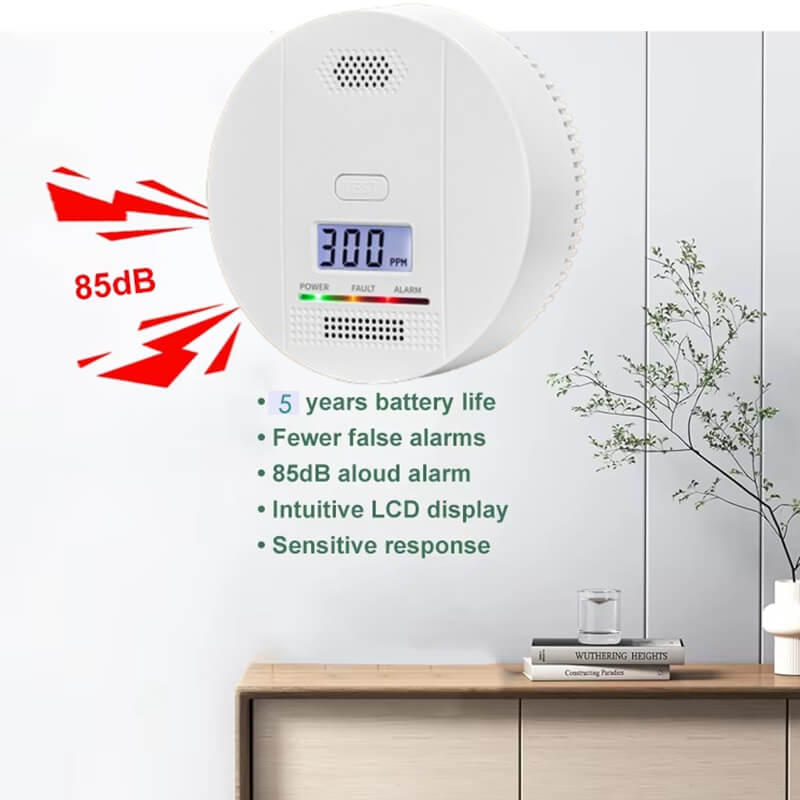 The Beep That Saved Us: Why a Carbon Monoxide Detector Is Non-Negotiable
Do you like ?0
Read more -
 Why Is My Carbon Monoxide Detector Beeping or Chirping?
Do you like ?0
Read more -
 Smoke Detector or Carbon Monoxide Detector: Which is Better for Fire Safety?
Do you like ?0
Read more -
 Carbon Monoxide Detector vs Smoke Alarm: Key Differences for Home Safety
Do you like ?0
Read more
Search
Hot Product