The Silent Guardian: Why Every Home Needs a Carbon Monoxide Detector
It was a typical Tuesday evening in November. The Miller family—Sarah, David, and their two young children, Emma and Lucas—were settling in for the night. Outside, the wind howled, signaling the arrival of the season's first real cold snap. Inside, the house was warm and cozy, the smell of roasted chicken still lingering from dinner.
David had spent the afternoon cleaning out the fireplace and checking the furnace. He wanted to make sure everything was perfect before the temperature dropped further. "We are all set," he had told Sarah with a satisfied smile. "Warm and safe."
The Invisible Intruder
As the clock ticked past midnight, the house grew quiet. The furnace kicked on, humming its rhythmic tune. Unbeknownst to the Millers, a small crack had formed in the heat exchanger of their aging furnace. As the machine worked overtime to heat the home, it began leaking a deadly byproduct of combustion into the air ducts.
This wasn't smoke. There was no smell of burning wood or gas. There was no fog in the air. The intruder was Carbon Monoxide (CO)—a colorless, odorless, and tasteless gas.
By 2:00 AM, the concentration of CO in the house had risen to dangerous levels. Sarah began to feel a dull headache. She thought it was just stress from work. David felt dizzy and nauseous, assuming he had eaten something bad at dinner. The children, however, remained asleep, their small bodies succumbing to the toxic air faster than the adults.
The Wake-Up Call
Just as David began to drift into a heavy, confused sleep, a piercing sound shattered the silence.
BEEP! BEEP! BEEP!
It wasn't the smoke alarm. It was the small, plastic device mounted on the wall near the bedrooms—the one David had installed three years ago but rarely thought about.
The Carbon Monoxide Detector.
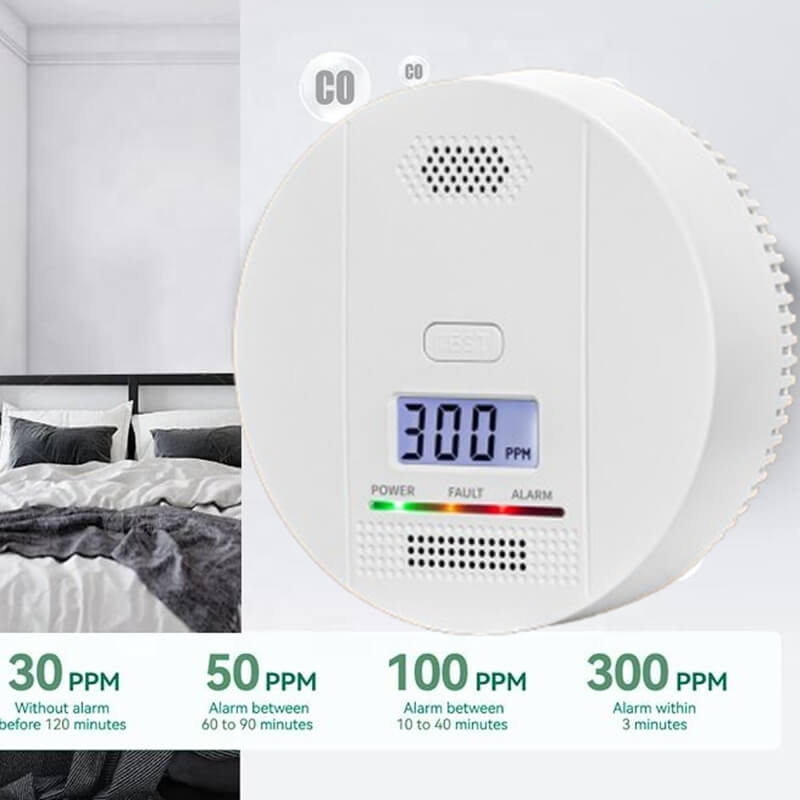
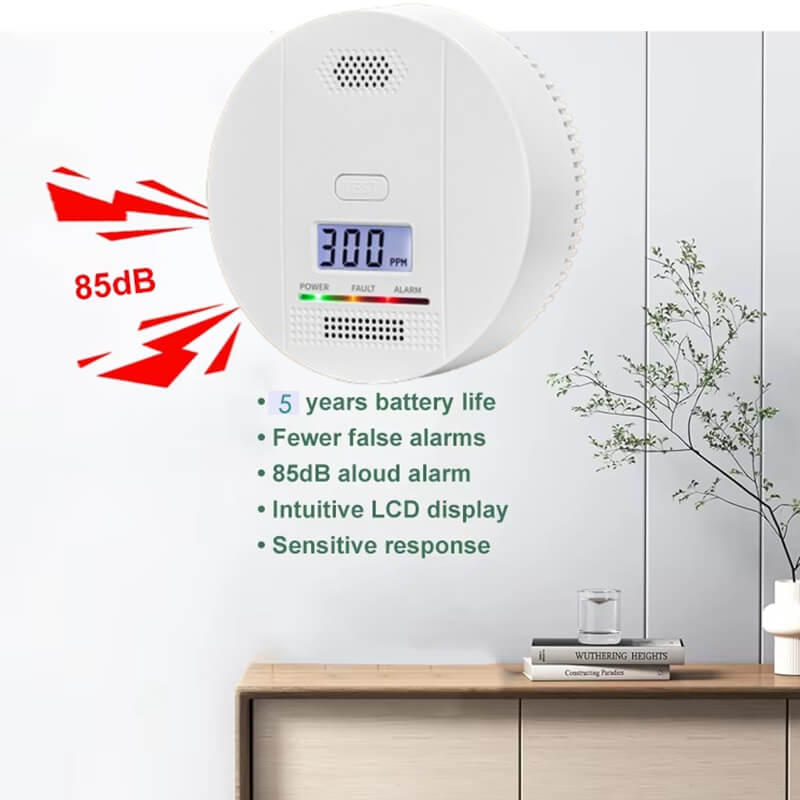
The digital display on the device flashed a terrifying number: CO 300 PPM.
"Sarah! Wake up!" David shouted, his voice slurring. He stumbled out of bed, his head spinning violently. He grabbed the kids, shaking them awake. The alarm continued its relentless shrieking, the only thing standing between the family and a tragedy.
They scrambled out the front door into the freezing night air, coughing and gasping. As they stood on the lawn, watching the fire department arrive, the paramedic explained the reality of the situation.
"You were minutes away from not waking up," the paramedic said, checking their vitals. "That alarm gave you the fighting chance you needed. That device saved your lives."

Understanding the Danger
The Miller family's story is not unique. According to the Centers for Disease Control and Prevention (CDC), unintentional carbon monoxide poisoning sends thousands of people to emergency rooms every year.
Carbon monoxide is produced whenever fuel is burned. This includes:
- Gas stoves and ovens
- Furnaces and boilers
- Fireplaces
- Portable generators
- Cars running in attached garages
Because human senses cannot detect it, CO is often called the "Silent Killer." When inhaled, it replaces the oxygen in your blood, starving your heart, brain, and vital organs. Symptoms often mimic the flu—headache, dizziness, weakness, upset stomach, vomiting, chest pain, and confusion—which leads many victims to ignore the signs until it is too late.
Why a Carbon Monoxide Detector is Non-Negotiable
You cannot see it, smell it, or hear it (until it's too late). This is why a carbon monoxide detector is not just a piece of plastic on your wall; it is a silent guardian.
1. Early Detection
A high-quality detector senses rising CO levels before they reach lethal concentrations. It buys you the precious time needed to evacuate and call for help.
2. 24/7 Monitoring
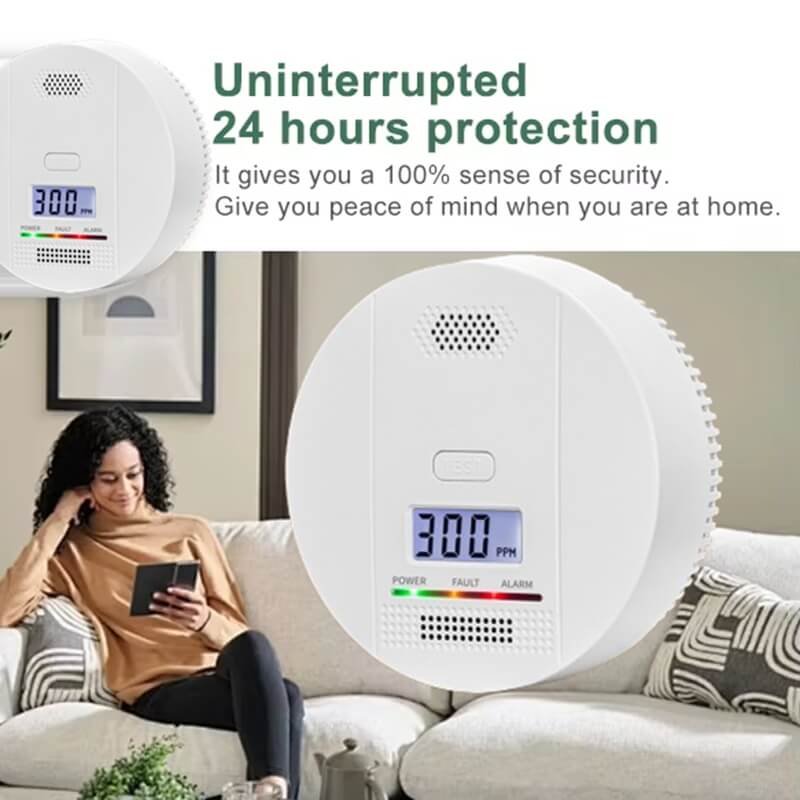
Unlike a smoke alarm which might wake you to a fire, a CO alarm monitors the air quality constantly, even while you sleep.
3. Peace of Mind
Knowing that you have a backup system in place allows you to rest easy, especially during the winter months when heating systems are under heavy use.
Choosing the Right Protection
Not all alarms are created equal. When shopping for a carbon monoxide detector, consider these features:
- Digital Display: Shows the current CO levels in parts per million (PPM), allowing you to see if levels are rising even before the alarm sounds.
- Battery Backup: Essential for power outages, which often coincide with storms where generators are used.
- Interconnectivity: If one alarm goes off, they all sound, ensuring everyone in a large home hears the warning.
Conclusion
The Millers were lucky. They had taken the simple precaution of installing a detector. That small investment cost less than a family dinner out, but it returned a value that cannot be measured in money: their lives.
Do not wait for a cold night or a faulty furnace to think about your safety. Check your alarms today. If you don't have one, install one immediately. A carbon monoxide detector is the one hero in your home that never sleeps.
Stay Safe: Test your carbon monoxide detectors monthly and replace batteries at least once a year.
Latest posts
-
 Carbon Monoxide Detectors: Why They’re Non-Negotiable for Home Safety
Do you like ?0
Read more -
 The Night a Carbon Monoxide Detector Saved the Carter Family’s Lives
Do you like ?0
Read more -
 The Beep That Saved Us: Why a Carbon Monoxide Detector Is Non-Negotiable
Do you like ?0
Read more -
 Why Is My Carbon Monoxide Detector Beeping or Chirping?
Do you like ?0
Read more -
 Smoke Detector or Carbon Monoxide Detector: Which is Better for Fire Safety?
Do you like ?0
Read more -
 Carbon Monoxide Detector vs Smoke Alarm: Key Differences for Home Safety
Do you like ?0
Read more
Search
Hot Product