Why Install Standalone Smoke Detectors? Simple Truths Every Buyer Should Know
You know what catches most people off‑guard about house fires? It is rarely the bright, roaring flames. Most fatal home fires start small. They fill rooms with thick, invisible toxic smoke long before fire breaks out. People asleep in bed never smell danger. They do not hear anything. By the time flames show up, escape routes are already blocked.
Have you ever stopped to think what could warn those occupants before disaster spirals out of control? A standalone smoke detector.
Lots of wholesale buyers, property managers and hardware resellers brush these small ceiling‑mount units off as trivial add‑ons. Some clients say “my building already has hard‑wired fire panels”. Others cut corners on unit pricing to hit project budgets. That short‑sighted choice carries real human cost.
We are Sumring, a fire‑safety hardware manufacturer located in Guangdong, China. For more than eight years, our engineering team has built and shipped photoelectric standalone smoke detectors like our SR‑803‑5 model to partners across global markets. We talk weekly with importers who have learned hard lessons from cheap, unreliable safety gear. This piece draws on that hands‑on field experience.
Smoke Kills Long Before Flames Appear — Here Is The Reality Picture a quiet two‑bedroom rental apartment at two o’clock in the morning. A faulty power adapter overheats on a nightstand. Soft smoldering begins. No big sparks. No loud popping noise. Dense grey smoke drifts across the ceiling. It creeps into bedrooms. The people inside breathe in toxic fumes and slip into deep unconsciousness without waking up.
This exact scenario plays out in residential fire statistics year after year. Reports from global fire‑safety bodies point out that smoke inhalation causes most fire‑related deaths, not burns. Human noses cannot pick up these odors during deep sleep. Your brain will not rouse you from rest, even when harmful particles fill your living space.
What changes outcomes? Early audio warning. A working standalone smoke alarm picks up those smoke particles within seconds. It blasts an 80‑decibel alert loud enough to rouse sleeping residents, even through closed bedroom doors. That simple alert gives precious minutes for people to gather family members and get outside.
Do hard‑wired building fire systems always fill this role? Not entirely. Hard‑wired setups rely on building wiring. Power outages disable them unless paired with backup hardware. Many older rental houses, small retail shops and remote cabins never have full wired fire infrastructure fitted at all.
Standalone battery‑powered units run separate from building power lines. They keep guarding spaces during blackouts, renovation work or temporary occupancy. Is it any wonder housing authorities keep pushing for wider adoption across rental and private housing stock?
What Makes Standalone Photoelectric Models Different? Let’s clear up common confusion right here. Two main smoke‑sensing designs show up on today’s market: ionization and photoelectric sensors.
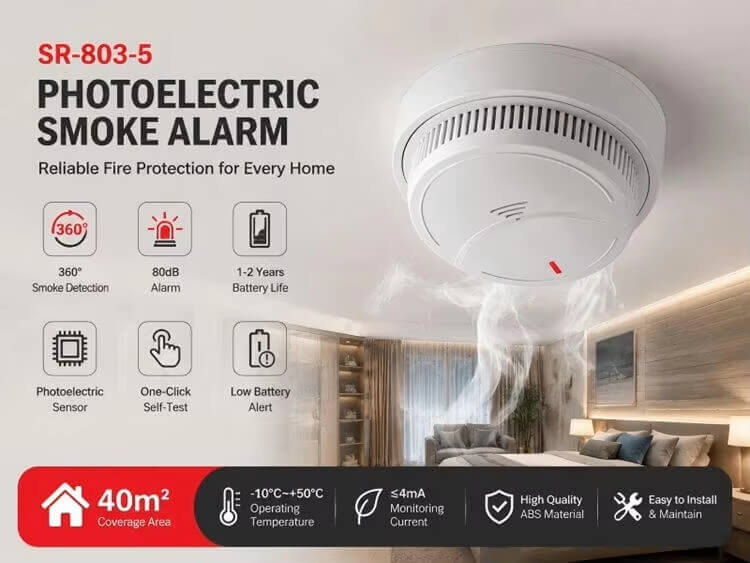
Photoelectric sensors react best to slow‑smoldering fires — the exact kind that pour out heavy smoke before visible fire appears. Light beams inside the unit scatter when smoke drifts through the sensor chamber, and that shift triggers the loud local alarm signal. That matches most typical residential fire origins: overheated cables, upholstery smolders, forgotten fabric near heat sources.
Our SR‑803‑5 unit works on this photoelectric principle. It runs from two standard 1.5V alkaline batteries, delivering 1‑2 years of runtime before battery replacement. It covers up to 40 square meters per device, suited for bedrooms, living rooms, small shop units and hotel guest rooms. The unit flashes an indicator light every minute while on standby; the light stays solid when smoke triggers detection. It handles operating temperatures ranging from ‑10°C to +50°C, so it holds steady in cold winter spaces and warm summer indoor conditions.
You might ask: “Can I skip these and just count on occupant vigilance?” Think about it. Tenants leave for weekend trips. Shop owners lock up stores overnight. Nobody stays inside every room 24 hours each day. Human watchfulness has gaps. A compact ABS‑plastic smoke detector never dozes off. It monitors air quality non‑stop.
Real‑World Benefits For Wholesale Buyers & Property Operators If you source fire‑safety goods or manage property portfolios, you will weigh performance against project costs. Standalone smoke detectors bring practical perks beyond raw life‑saving value.
- Quick, fuss‑free fitting. No complex cable routing. Install teams mount units directly to ceiling surfaces. Job completion timelines shrink for multi‑unit rollouts.
- Flexible placement. Drop them into older buildings, temporary housing, guest houses or retail kiosks where full wired fire‑system retrofits cost too much money.
- Self‑contained operation. No dependence on building electrical grids. Power failures will not shut down fire monitoring.
- Clear status feedback. Regular blinking standby lights let maintenance crews confirm function at a glance; low‑battery prompts signal when swap‑outs are due.
Some purchasing teams chase rock‑bottom per‑unit prices. They source untested generic devices. What happens next? High return rates. Unexpected false alarms that frustrate tenants. Worse still, total failure when smoke actually fills a room. Those failures create liability headaches for property owners and resellers. Saving a few cents per unit can snowball into massive downstream trouble.
You have seen projects where clients accept cheap hardware just to satisfy checklist requirements. But safety gear exists to perform during emergencies, not only to pass inspection forms.
Common Misconceptions That Trip Up Decision‑Makers Let’s talk through ideas we hear over and over from new international partners.
“If I have sprinklers, I do not need smoke alarms.” Sprinkler systems suppress fire growth after heat levels spike. They do not give early warning at the smoldering‑smoke phase. Smoke detectors alert occupants long before heat activates sprinkler heads. Both tools serve distinct jobs; one cannot replace the other.
“One single unit covers my whole building.” Smoke travels along ceiling planes. Closed doors block smoke movement. One detector cannot watch multiple separated rooms. Each sleeping area needs its own coverage. Our SR‑803‑5 delivers 40‑square‑meter coverage, so layout planning matters for every project site.
“All battery‑powered smoke alarms act the same.” Sensor quality, current draw and temperature tolerance shift heavily across product lines. Low‑grade hardware drifts out of calibration quickly. They either scream false alarms constantly or stay silent during real smoke events. Always verify lab‑tested performance data before bulk ordering.
Have you compared datasheets side‑by‑side for competing samples? Small printed specs tell large stories about long‑term field behavior.
Small Device, Big Responsibility — What To Look For When Sourcing When you evaluate standalone smoke detectors for your customers, keep these points top‑of‑mind:
- Sensor type: Prioritize photoelectric hardware for residential and light‑commercial spaces, given how many home fires start with slow smoldering smoke.
- Working temperature range. Confirm units function reliably across the climate zones your end‑users occupy.
- Audible output volume. 80dB at three‑meter distance offers enough noise to wake sleeping people through closed doors.
- Clear visual status signals. Standby flashes, active detection lighting and low‑battery hints simplify routine maintenance work.
- Stable build material. Quality ABS housing resists yellowing and physical wear over indoor service life.
- Verified real‑world test results. Request sample units for in‑house smoke‑chamber testing before committing to large‑volume orders.
At Sumring, our engineering team runs continuous batch testing on every production run of SR‑803‑5. We ship product samples to prospective wholesale partners for on‑site evaluation. Our factory sits in Guangdong, China, and we support flexible order volumes for resellers, property contractors and hardware distributors worldwide.
Frequently Asked Questions
Q1: Where should standalone smoke detectors get mounted inside rooms?
Mount units flush against ceiling surfaces. Keep them away from air‑conditioning vents, ceiling fans and bright lighting fixtures, which can interfere with smoke flow toward sensor chambers. Place at least one unit inside every sleeping zone.
Q2: How long do batteries last inside photoelectric standalone smoke alarms?
For models like SR‑803‑5 using two 1.5V alkaline batteries, expect 1‑2 years of service life. End‑users must source batteries separately. Remind customers to replace batteries on a fixed annual schedule.
Q3: Can standalone smoke detectors link to central fire‑alarm panels?
Most basic standalone units deliver local sound‑only alerts and lack wired output connections. If you require panel connectivity, you will need to select special linked‑system variants. Standard standalone models work best for local on‑site warning.
Q4: Will cooking fumes trigger false alarms for photoelectric smoke detectors?
Heavy dense cooking smoke can trigger responses. Position units away directly above stovetops and kitchen cooking zones to cut down unwanted alerts. Photoelectric sensors react less to tiny clean‑burning particles compared to older‑style ionization sensors.
Q5: What spaces suit standalone battery‑operated smoke alarms best?
They fit rental homes, hotel guest rooms, student housing, small retail shops, remote cabins and temporary buildings. They shine in locations where installing full hard‑wired fire systems proves too costly or impractical.
Fire safety does not need overcomplicated gear. Sometimes the most impactful safeguard is a modest white circular device fixed high on a ceiling. It watches quietly hour after hour, waiting for smoke particles to appear.
If you source fire‑safety hardware for resale or property projects and want reliable photoelectric standalone smoke detector options, reach out to the Sumring team. We can share product datasheets, sample access and clear guidance tailored for your target market needs.
Latest posts
-
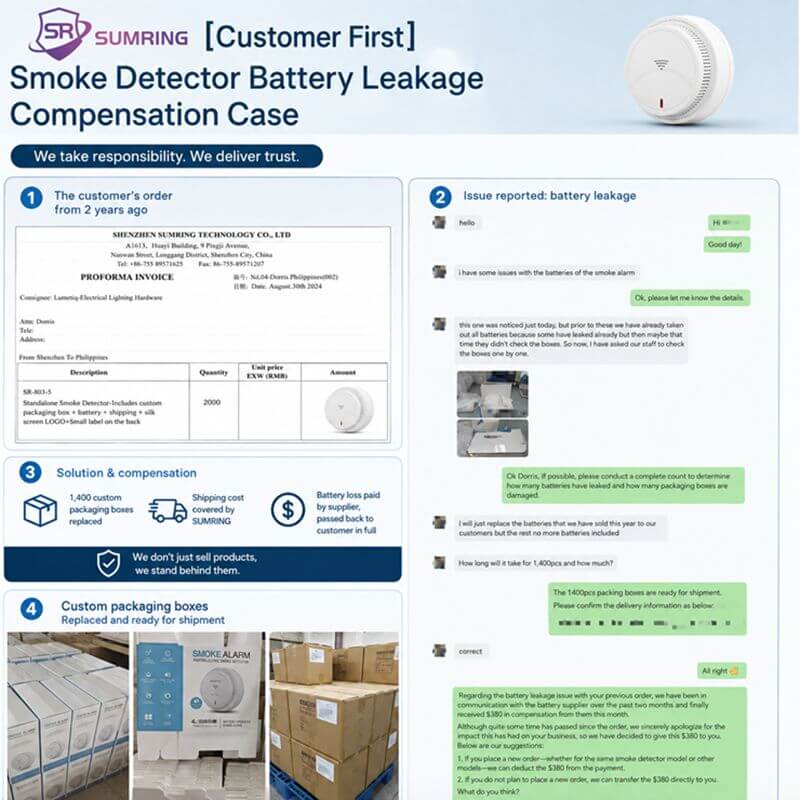 What Happens When Smoke Detector Batteries Leak? Real‑World Case From Sumring
Do you like ?0
Read more -
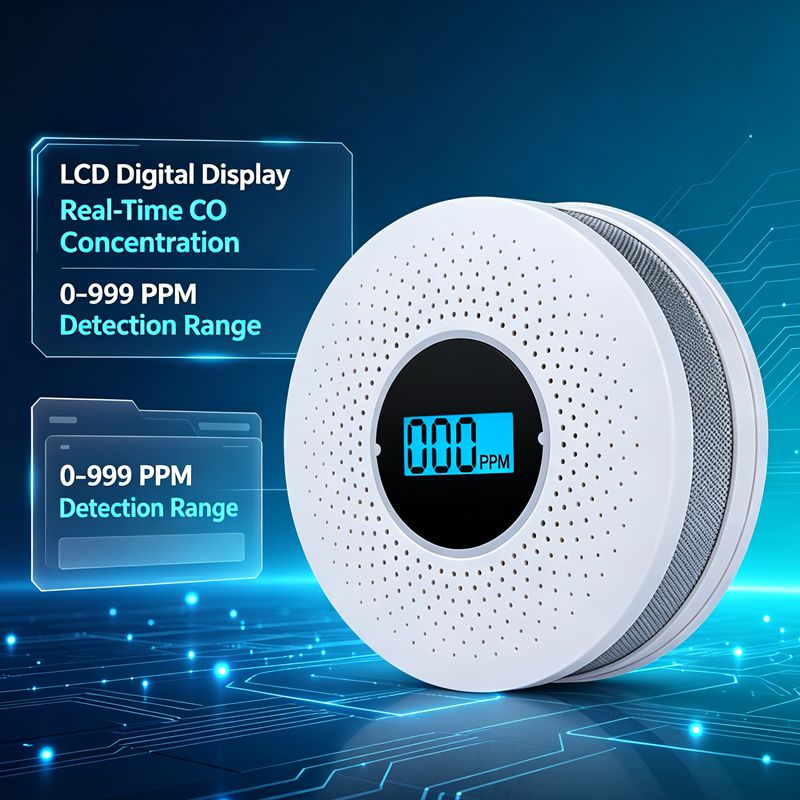 Does Smoke & CO Alarm Reactivate Instantly When Hazards Spike In Hush Mode?
Do you like ?0
Read more -
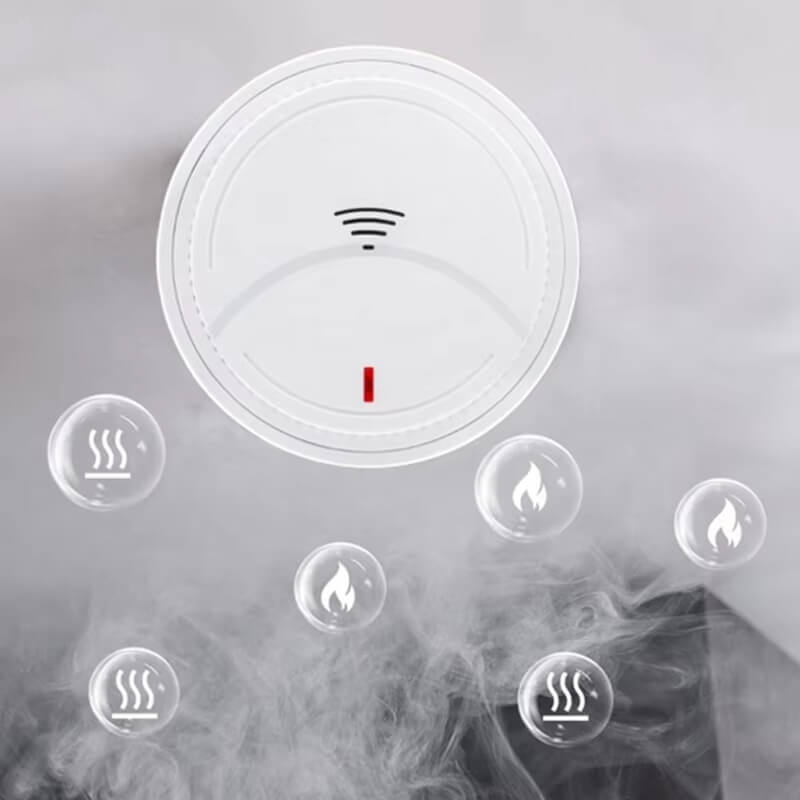 How Do Fire Smoke Alarms Operate? Key Types, Advantages & Practical Usage Tips
Do you like ?0
Read more -
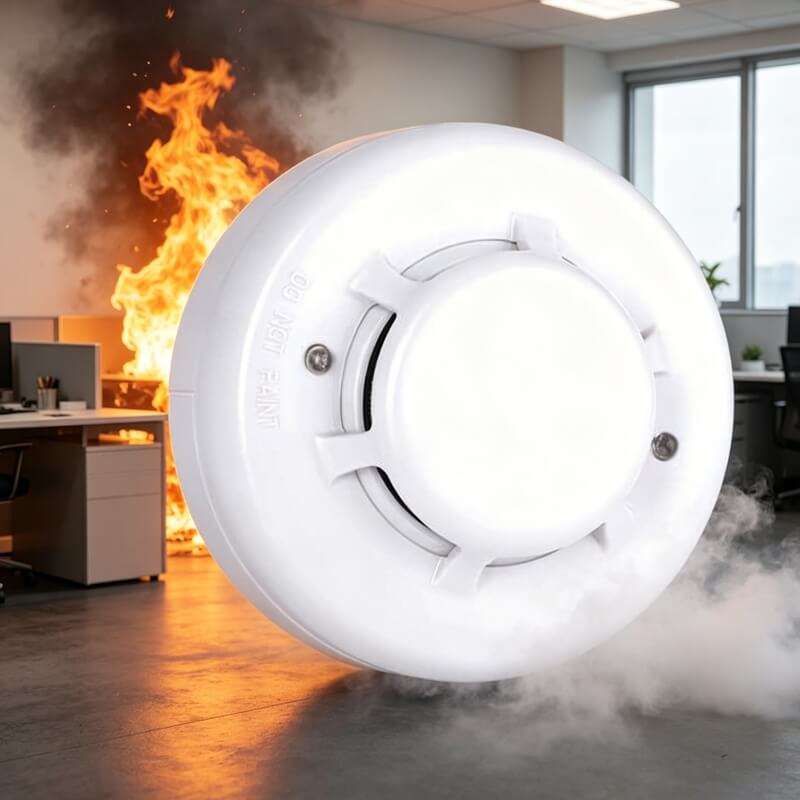 How Do Fire Smoke Alarms Work? A Complete Guide to Types, Pros & Usage Tips
Do you like ?0
Read more -
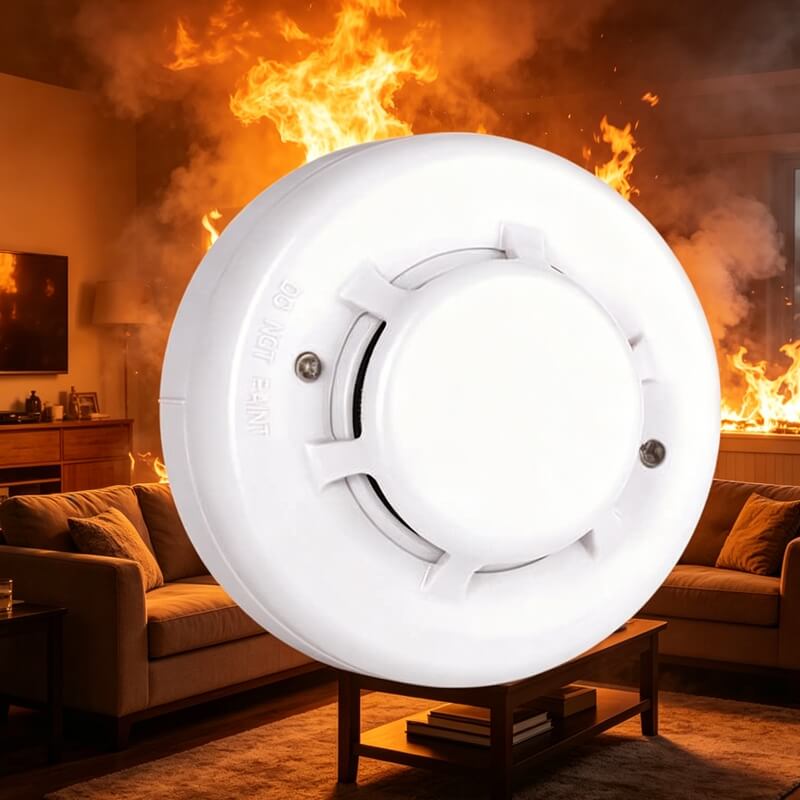 Fire Smoke Alarm: Guide to Installation & Maintenance for Home Fire Safety
Do you like ?0
Read more -
 Why You Need a Smoke and Carbon Monoxide Combo Detector in Your Home ?
Do you like ?0
Read more
Search
Hot Product